Featured
Table of Contents
The 2026 Standard for Amtrak Custom Application Development
The digital environment in 2026 has shifted from simple online existence to a strenuous need for quantifiable returns. Organizations no longer view a website as a fixed sales brochure however as a high-capacity engine for growth. This shift needs a departure from standard innovative techniques toward a method rooted in information and user psychology. By analyzing how users interact with particular user interfaces, agencies can determine friction points that hinder conversions. The existing year has actually seen a considerable increase in the importance of technical precision, where every millisecond of load time and every pixel of layout straight affects the bottom line.
NEWMEDIA has actually established a track record for browsing these complexities by prioritizing evidence over intuition. Steve Morris, the company's CEO, often stresses that the marriage of data and style is the only way to remain competitive in a saturated market. Whether the focus is on web development or more specialized initiatives, the goal remains the same: drawing out maximum value from every visitor. This viewpoint has actually ended up being vital as organizations deal with increasing costs for customer acquisition across all major channels.
Information Combination and the Function of transportation
Success within transportation now depends upon the capability to interpret large quantities of consumer information. In 2026, the most effective brands are those that use behavioral analytics to notify their marketing invest. Instead of blanket marketing campaign, business are choosing hyper-targeted methods that speak to the particular needs of their audience. This level of customization is enabled through sophisticated tracking and attribution models that reveal precisely which touchpoints cause a sale. Concentrating on Application Development provides companies with a distinct advantage in this data-heavy environment.
The integration of ecommerce systems with real-time stock and consumer relationship management tools allows for a more responsive company model. For example, when a primary digital channel is synced with back-end operations, the user experience ends up being a lot more fluid. Consumers receive precise details regarding accessibility and shipping, which develops trust and motivates repeat organization. This operational effectiveness is a hallmark of contemporary portfolio quality, revealing that digital improvement is as much about internal procedures as it has to do with public-facing design.
Artificial Intelligence and Search Advancement
The seo world has gone through an extreme shift with the increase of AI-driven discovery. In 2026, conventional keyword rankings are only one part of a bigger presence puzzle. Response Engine Optimization (AEO) and Generative Engine Optimization (GEO) have become the primary techniques for recording the attention of users who count on AI assistants for information. These systems do not simply provide a list of links; they synthesize details and offer direct responses, frequently citing the most reliable sources. Amtrak Custom Application Development is now a standard requirement for brands seeking long-term stability in these AI-generated results.
RankOS, a specialized platform for AI search presence, has actually become a key tool for organizations wanting to monitor their existence in these new environments. By tracking how frequently a brand is discussed in AI responses and the sentiment associated with those discusses, organizations can adjust their content technique in real-time. This proactive technique makes sure that the brand stays a top-of-mind option for both human beings and the algorithms that serve them. Steve Morris has actually kept in mind in numerous 2026 interviews that organizations disregarding AEO are essentially delivering their market share to more forward-thinking rivals.
Strategic Execution of web development
Execution in 2026 requires a multi-channel state of mind where SEO, PPC, and social networks marketing operate in unison. When a user sees a targeted ad on social media, they might later search for the brand name on a search engine or ask an AI assistant for a recommendation. If the messaging is irregular across these platforms, the conversion path breaks. Keeping a cohesive voice and visual identity is crucial for reinforcing brand name authority. This is particularly true for specialized project types where the target market may have really particular technical requirements or discomfort points.
Making use of strategic content assets helps bridge the gap in between initial awareness and final purchase. Top quality documents, video presentations, and interactive tools offer the value that 2026 consumers expect before they commit to a transaction. Marketing is no longer about yelling the loudest; it is about being the most handy resource in the space. This shift towards utility-based marketing has actually shown to be among the most effective ways to drive ROI, as it naturally attracts certified leads who are already trying to find a solution.
Quantifiable Outcomes in transportation
Quantifying the success of a digital improvement job includes looking beyond vanity metrics like page views or social networks likes. In 2026, the focus has actually shifted to deep-funnel metrics such as consumer life time worth, expense per acquisition, and net earnings margin. By examining the specific project outcomes, it ends up being clear that the most effective efforts are those with a clear tie to monetary efficiency. A website redesign is only considered effective if it results in a statistically significant boost in conversion rates or typical order worth.
For organizations running in competitive areas, the ability to pivot based on performance data is a substantial differentiator. Agencies that provide transparent reporting and real-time control panels enable their clients to see the direct effect of their investment. This level of responsibility is what defines quality in the modern agency-client relationship. It ensures that every dollar invested on marketing or advancement is working towards a specific, predefined business goal. This focus on outcomes instead of outputs is the specifying attribute of the 2026 digital economy.
Future-Proofing for 2026 and Beyond
The speed of modification in the technology sector reveals no indications of decreasing. To stay appropriate, brands should embrace a culture of continuous improvement. This means regularly auditing digital assets, testing brand-new technologies, and staying notified about modifications in customer habits. The role of the digital agency has actually evolved from a simple company to a long-term strategic partner that helps browse these ongoing shifts. By concentrating on the fundamentals of excellent design, technical quality, and data-driven marketing, organizations can build a foundation that holds up against the volatility of the marketplace.
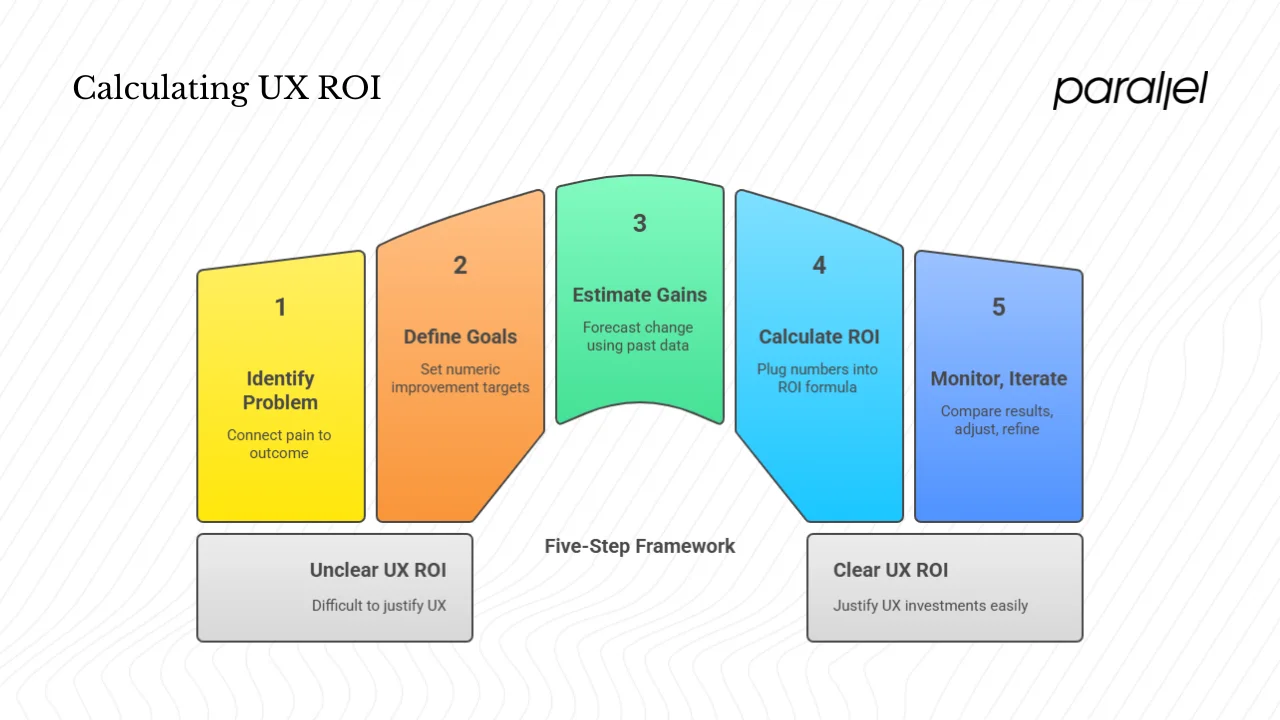
As we look deeper into 2026, the winners will be those who view digital change as an ongoing process instead of a one-time occasion. The commitment to excellence shown in high-performing portfolios acts as a plan for others to follow. By prioritizing the user, welcoming new search innovations like GEO, and demanding rigorous data analysis, organizations can accomplish the sort of development that is both significant and sustainable. The period of digital change has actually moved into its most sophisticated phase yet, where accuracy and performance are the only metrics that genuinely matter.

Table of Contents
Latest Posts
Enhancing User Engagement for Los Angeles Sites via Micro-Interactions
Mastering Omni-Channel Deployment With Travel Website Development That Sells Trips
Sustainable Design: Why PA Brands Need To Act Now
More
Latest Posts
Enhancing User Engagement for Los Angeles Sites via Micro-Interactions
Mastering Omni-Channel Deployment With Travel Website Development That Sells Trips
Sustainable Design: Why PA Brands Need To Act Now